
How Many Miles Does a Volkswagen Last? A Complete Durability Guide
Volkswagens are engineered for longevity. With proper maintenance, most VW models reliably reach 200,000 to 300,000 miles, and many owners report vehicles surpassing these benchmarks. This makes Volkswagen a smart long-term investment for drivers who want dependable transportation.
The Real Numbers on VW Longevity
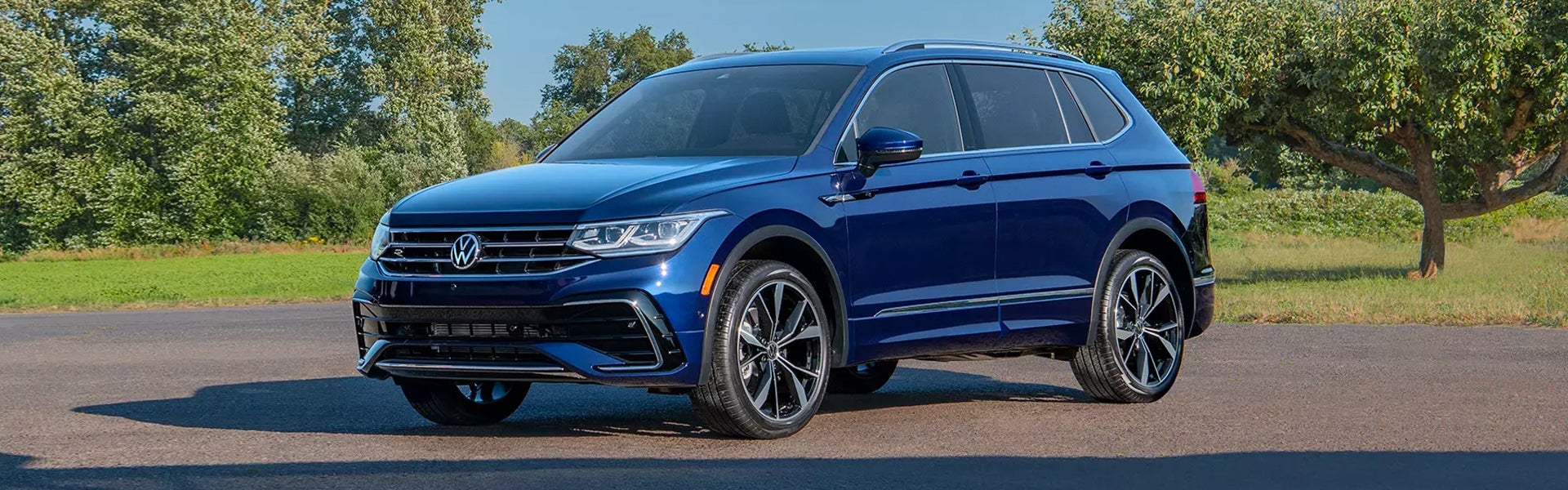
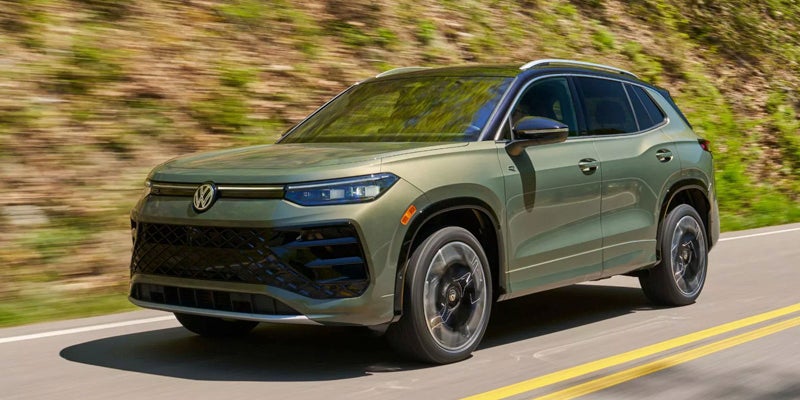
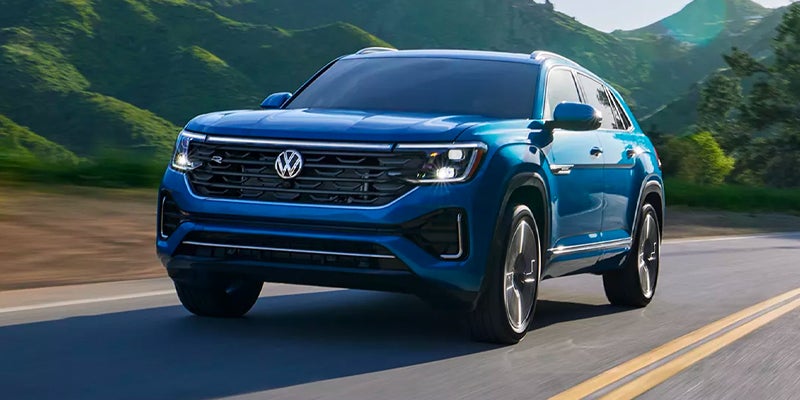
Volkswagen has built a reputation for durability across its lineup. Models like the Atlas family SUVs and Tiguan compact crossovers routinely hit 200,000+ miles when owners stick to maintenance schedules. Sedans like the Jetta and the performance-oriented Golf GTI are equally capable of extended service life.
The lifespan of your VW depends on three critical factors: build quality, maintenance consistency, and driving habits. Volkswagen handles the first part—their vehicles are built with precision engineering and quality components. You control the other two.
Volkswagen's Engineering Advantage
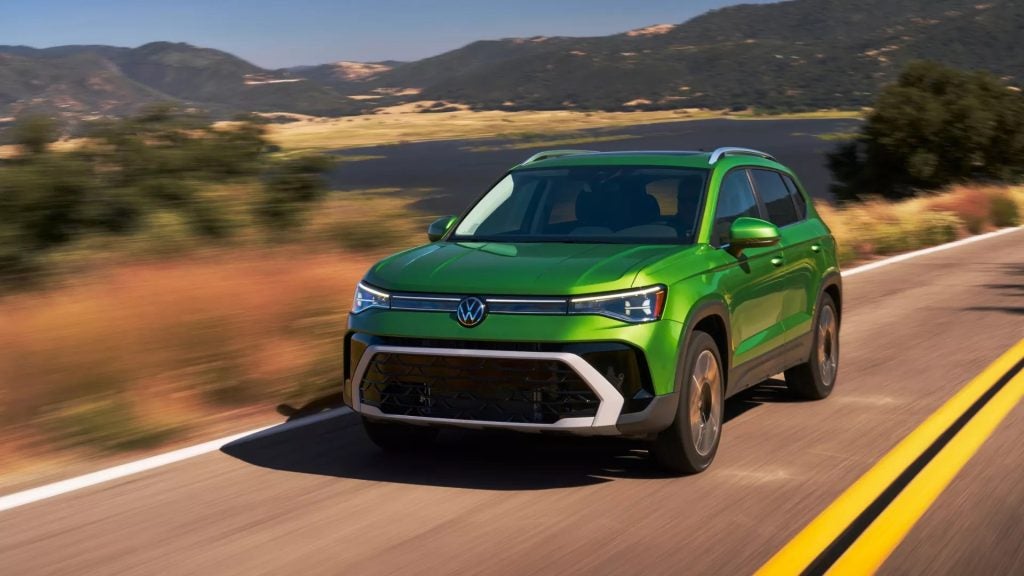
VW vehicles benefit from decades of German automotive engineering. Their engines are known for reliability when properly serviced. The Volkswagen Taos, for example, features proven turbocharged engines designed for both efficiency and durability. Even the brand's newer electric offerings, like the ID.Buzz electric van, are built with components engineered for long-term performance.
Why Maintenance Is Everything
A Volkswagen's ability to reach 200,000+ miles depends almost entirely on maintenance. Regular oil changes, fluid checks, and scheduled services aren't optional—they're essential. Neglecting routine care can cut your VW's lifespan in half.
Start with the basics. Engine oil keeps your VW's heart running smoothly. Follow VW's recommended oil change intervals, typically every 10,000 miles for modern vehicles. Transmission fluid, coolant, and brake fluid need attention too. These aren't just fluids—they're the circulatory system of your vehicle.
Transmission Care Extends Your VW's Life
Your transmission is one of your most expensive components. Whether automatic or manual, proper transmission maintenance is critical. Check your fluid level regularly, and have it serviced per your owner's manual. Many VW transmissions last 200,000+ miles with minimal issues when properly maintained.
Braking System Longevity
The brake system plays a major role in how long your Volkswagen lasts. Regular brake inspections catch wear before expensive damage occurs. Worn brake pads grinding on rotors create costly repairs. Professional brake service from a qualified Volkswagen technician keeps your stopping power reliable and prevents cascading damage to the entire braking system.
Engine Longevity in VW Models
VW engines—from the efficient turbocharged units in the Taos to the larger displacement engines in the Atlas—are engineered for durability. However, engine life depends on oil quality, timely filter changes, and not ignoring warning lights. A well-maintained VW engine routinely hits 200,000 miles. Some owners push 300,000+ miles with meticulous care.
Fluids That Matter Most
Many owners overlook the small things that prevent big problems. Engine coolant prevents overheating and corrosion. Power steering fluid keeps your steering responsive. Brake fluid is hygroscopic—it absorbs moisture over time and needs periodic flushing. These maintenance fluids might seem minor, but they directly impact longevity.
Warning Signs Your VW Needs Attention
Don't ignore dashboard warning lights. Volkswagens are equipped with sophisticated diagnostics. A check engine light might indicate a simple sensor issue or a serious problem. Either way, it deserves prompt attention from a certified technician.
Fuel Efficiency Ties to Longevity
There's a direct connection between fuel efficiency and engine longevity. Proper tire pressure, clean air filters, and optimized fuel systems all boost fuel efficiency and engine health. A VW running efficiently is a VW running healthily.
Electric VWs: A Different Durability Story
The ID.4 electric SUV and ID.Buzz represent VW's electric future. These vehicles have fewer moving parts than traditional engines, meaning less can wear out. Battery degradation is gradual—most EV batteries retain 80%+ capacity at 200,000 miles. For electric Volkswagens, longevity is often limited by battery technology rather than mechanical failure.
Getting Your VW to 200,000 Miles
The path is simple: follow the maintenance schedule. Service your VW regularly. Use quality parts and fluids. Address issues before they become expensive problems. Invest in preventive maintenance rather than reactive repairs.
At Southwest Volkswagen, we've seen VWs from 20 years ago still running strong because owners committed to routine care. The Atlas, Tiguan, and other models in our lineup are built to last. Your job is to keep them maintained.
Volkswagen Service Specials in Weatherford
Quality service doesn't have to break the bank. Southwest Volkswagen offers competitive pricing on service and manufacturer service specials year-round. Stay on top of scheduled maintenance with affordable options designed for Volkswagen owners.
Volkswagen Warranty & Extended Protection
New Volkswagens come with manufacturer warranty coverage. For extended peace of mind, consider protection plans that cover unexpected repairs. These plans make reaching 200,000 miles financially manageable.
Conclusion: Your VW's Lifespan Is Your Choice
A Volkswagen can easily last 200,000 miles or more. The durability is built in. The longevity is earned through consistent maintenance and care. Whether you're driving a practical Jetta sedan, a versatile Atlas SUV, or an innovative ID.Buzz electric van, your commitment to maintenance directly determines how far your Volkswagen takes you.
Ready to buy a Volkswagen built to last? Visit Southwest Volkswagen in Weatherford, TX to explore our new and used inventory. Our team can help you find the perfect VW and set up a maintenance plan to ensure it lasts for years to come.