
Are Volkswagens Reliable? A Weatherford, TX Guide
Short answer: Volkswagen is a genuinely mid-pack reliability brand — not a bottom-feeder, not a class leader. RepairPal scores VW 3.5 out of 5.0 (12th of 32 brands), and Consumer Reports ranks it 16th of 26 brands for new-vehicle reliability. What matters more than the brand-wide number is which model you're looking at: the Jetta and Golf post solidly above-average reliability data, while the Taos and Atlas trail behind. Here's the full picture, model by model.
What the Reliability Data Actually Shows
Two of the most-cited independent sources land in similar territory, which makes the overall picture fairly consistent:
- RepairPal rates Volkswagen 3.5 out of 5.0, ranking it 12th of 32 brands, with an average annual repair cost that runs somewhat above the industry average depending on the model.
- Consumer Reports' 2025 brand reliability survey — based on roughly 380,000 owner-reported vehicles across 20 trouble areas — ranks VW 16th of 26 brands for new-vehicle reliability, and a somewhat better 13th of 26 for used-vehicle reliability.
- J.D. Power data has shown Volkswagen reporting more problems per 100 vehicles than the industry average.
None of that makes Volkswagen an unreliable brand. It places VW squarely in the "middle of the pack" — behind Toyota, Honda, and Subaru, but not in the territory of the least dependable brands on the market either.
Reliability by Model: Where Volkswagen Actually Stands Out
Brand-wide scores flatten out a lot of real variation. Based on RepairPal's model-level data, here's how VW's current lineup breaks down:
- Jetta — 4.0/5.0, "Above Average," 25th of 46 compact cars, with one of the lowest average annual repair costs in VW's lineup ($443). One of the stronger reliability stories in the current lineup.
- Golf — 4.0/5.0, "Above Average," 26th of 46 compact cars ($459 average annual repair cost).
- GTI — 3.0/5.0, 44th of 46 compact cars, with a noticeably higher average repair cost ($643) and repair frequency than the Jetta or Golf — the performance-tuned drivetrain comes with a reliability trade-off.
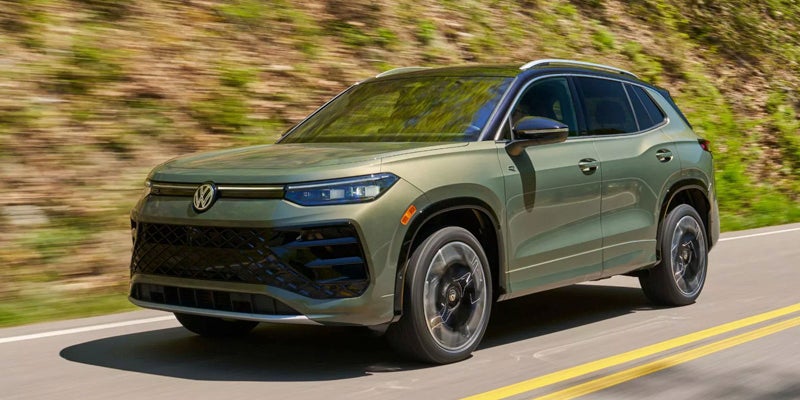
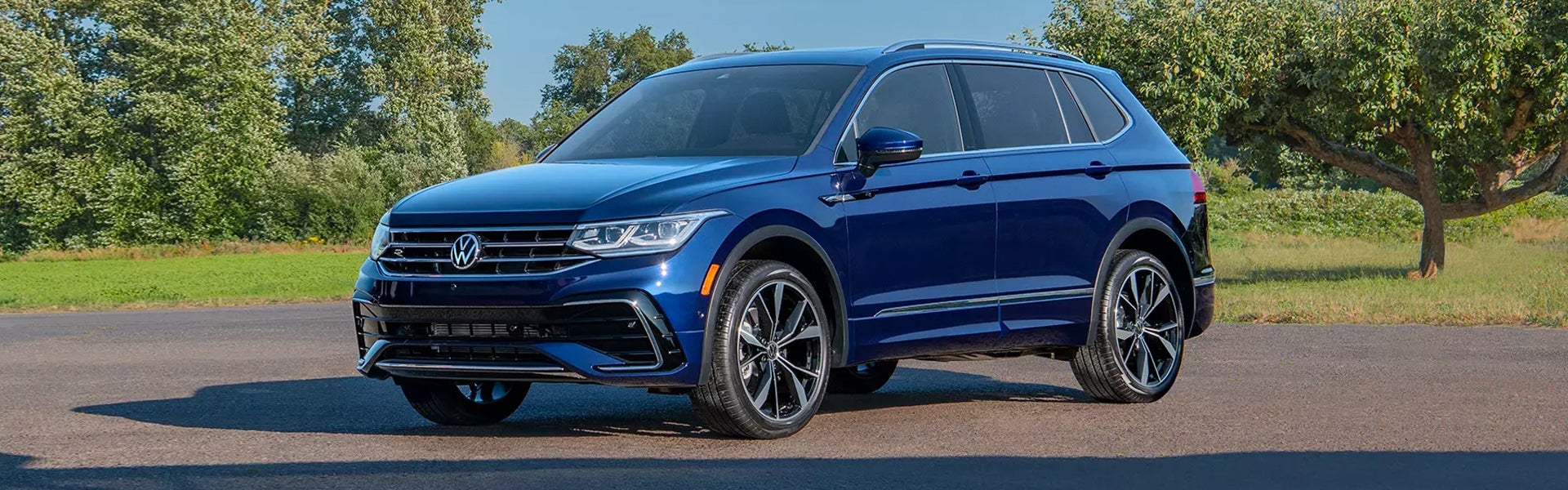
- Tiguan — 3.5/5.0, 27th of 29 compact SUVs, with an above-average repair frequency (1.7 visits/year vs. a 1.0 category average).
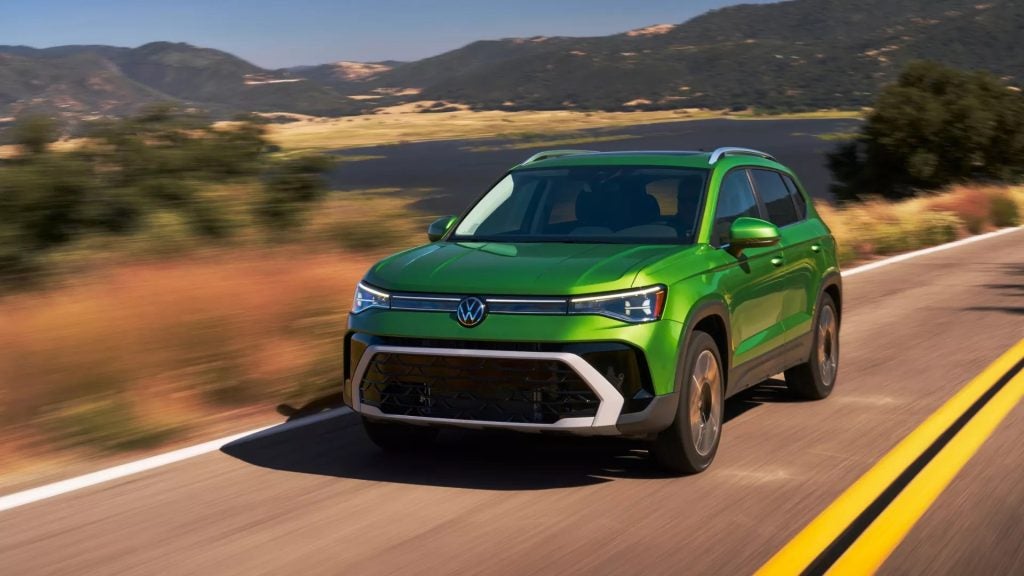
- Taos — flagged by Consumer Reports as the least reliable model in VW's current lineup, with below-average owner-reported dependability compared to other cars from the same model year.
If you're deciding between the Tiguan and Taos specifically, Southwest Volkswagen's own Tiguan vs. Taos comparison is worth reading — reliability data is one more input worth weighing alongside space and price when you're cross-shopping those two.
The Turbo Engine and DSG Question, Addressed Directly
If you've researched VW reliability at all, you've likely run into concerns about turbocharged engines and dual-clutch (DSG) transmissions. Worth addressing directly instead of dancing around it:
- Volkswagen's small turbocharged engines (the EA888 family, used across Jetta, Golf, Tiguan, and Atlas) are generally solid when serviced on schedule, but they're more maintenance-sensitive than a naturally aspirated engine — oil quality and change intervals matter more than they do on a typical Japanese or Korean competitor.
- Dual-clutch DSG transmissions, where equipped, require specific DSG fluid service at manufacturer-recommended intervals. Skipping this is one of the more common causes of premature transmission issues on VW forums and repair-shop reports.
Practical takeaway: a Volkswagen rewards a disciplined maintenance schedule more than most mainstream brands do. That's less a defect and more a characteristic of the engineering — but it does mean the ownership experience depends more on where you get it serviced than it would with, say, a Camry.
How Long Does a Volkswagen Actually Last?
Reliability ratings measure repair frequency and cost, but most buyers really want to know: how many miles will this car go? Southwest Volkswagen has published a dedicated breakdown of how many miles a Volkswagen typically lasts, which is worth reading in full. The short version: a well-maintained modern VW with consistent service is a reasonable bet for 200,000 miles or more, with some owners reporting 300,000+ — but that outcome is more maintenance-dependent for VW than it is for some competing brands.
New vs. Certified Pre-Owned: Which Is the Safer Bet?
If reliability is your top priority, a Volkswagen Certified Pre-Owned (CPO) vehicle removes a lot of the guesswork. Southwest Volkswagen's Certified Pre-Owned inventory and full CPO program details cover the multi-point inspection and extended warranty coverage that come standard — which matters more with VW than with some brands, given how much model-year and service history affect real-world reliability outcomes.
Maximizing Your Volkswagen's Reliability After Purchase
Given how maintenance-sensitive VW's turbocharged engines and DSG transmissions are, staying on schedule isn't optional — it's the single biggest factor in whether your VW reaches 200,000+ miles or starts having expensive problems at 80,000. Southwest Volkswagen's Care Menu maintenance plans are built around VW's actual recommended service intervals, and current service and parts specials can help keep those costs down. You can schedule service online whenever your VW is due.
Bottom Line
Are Volkswagens reliable? By the numbers, they're solidly mid-pack — not a brand you should avoid, but not one where you can skip maintenance and expect Toyota-level forgiveness either. The Jetta and Golf post genuinely strong reliability data, the Tiguan and Taos warrant more diligence, and consistent service is what separates a VW that reaches 250,000 miles from one that doesn't. If you want to see the service records and CPO inspection reports for yourself, Southwest Volkswagen in Weatherford can walk you through current inventory and what's actually been maintained.